

The Mystery of the Cold Wash
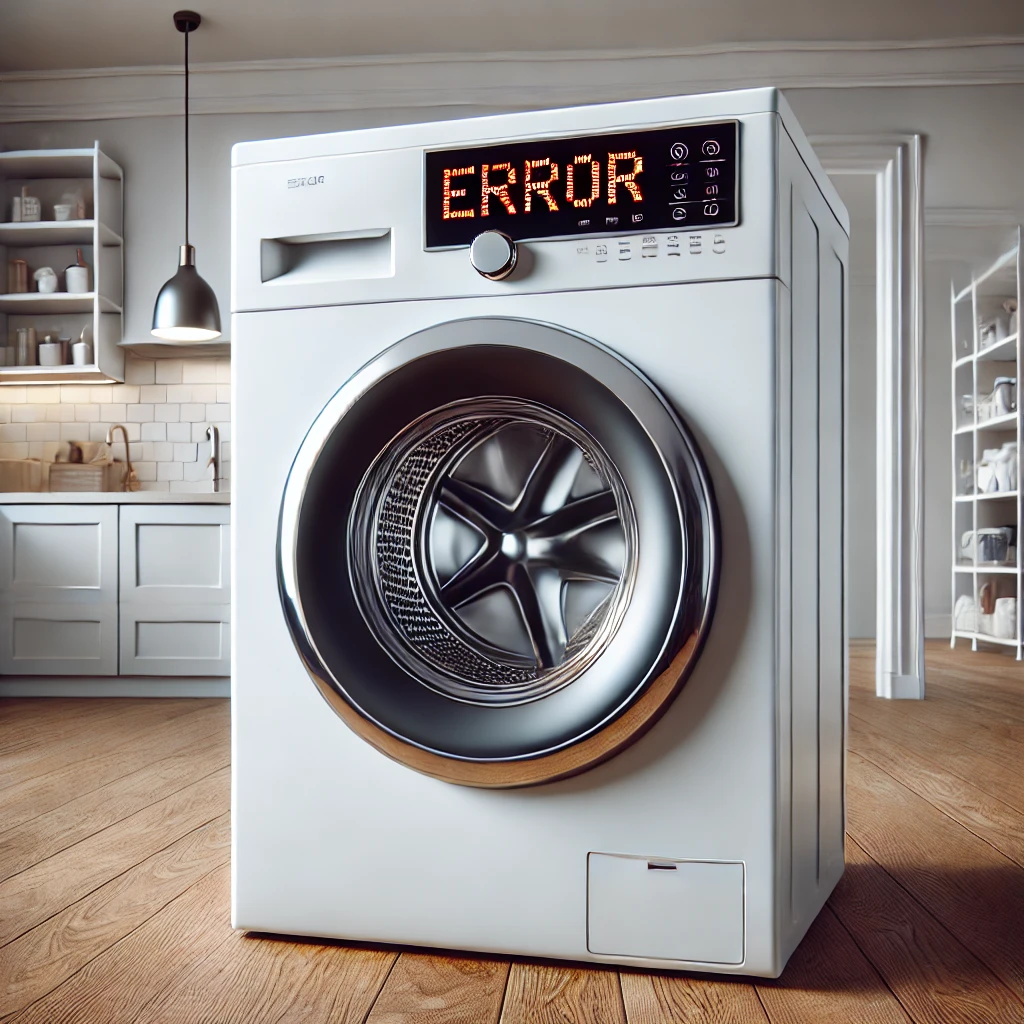
Your washing machine is churning away. You can hear the drum spinning and the water sloshing. But when you reach in to check a towel, it feels suspiciously cold. This is a common household frustration.
A washing machine that fails to heat the water ruins a good wash. Stains might not lift properly. Your clothes might not feel properly clean. It is certainly not ideal, especially in the colder months.
Don’t panic just yet. Often, the fix is simpler than you might think. We are Anderson James, your local experts in Wiltshire appliance repair. We see this issue all the time. Let’s dive into why your machine is stuck on a cold cycle.
Why Hot Water Matters in Laundry
Before we troubleshoot, let’s quickly remember why we need that heat. Hot water is a powerful cleaning agent. It helps dissolve certain detergents much better than cold water.
It is also essential for sanitising fabrics. Think about kitchen towels or bedding. High temperatures kill off germs and bacteria effectively. Cold washes are great for saving energy, but sometimes, you simply need that proper heat.
If your machine is only dispensing cold water, you are missing out on deep cleaning power. Now, let’s look at the usual suspects behind this cold wash mystery.
The Top Culprits Behind a Cold Wash
When a washing machine stops heating, the problem usually lies with one of a few key components. We will go through them from the easiest thing to check to the more technical faults. Remember, safety first when inspecting any appliance. Always unplug it before taking off panels.
1. The Simple Settings Check
It sounds too obvious, right? But trust us, this happens more often than you’d believe. Sometimes, the machine is doing exactly what you told it to do.
- Check the Programme Dial: Look closely at the selected wash cycle. Did you accidentally select an “Eco” or “Cold Wash” setting? Many modern machines default to lower temperatures.
- Temperature Override: Some machines allow you to override the programme’s default temperature. Make sure the temperature selector is actually set to the 40°C, 60°C, or higher you require.
- Child Lock Interference: In rare cases, a child lock setting might be active in a way that locks out temperature changes. Check your manual if you suspect this.
If the settings are all correct, we move on to the machine’s internal workings.
2. The Water Supply Check
This might seem unrelated, but it can sometimes confuse the machine’s sensors. The machine needs to know how much water it has taken in before it decides to heat it.
- Inlet Hoses: Are both the hot and cold water inlet hoses connected securely? If the machine thinks it’s only filling with cold water, it might skip the heating stage entirely.
- Pressure Switches: The machine uses pressure switches to monitor water levels. If these are faulty or blocked, the machine might not register a full load or a correct fill level. This can halt the heating process.
3. The Heating Element Failure
This is the most common technical reason for a cold wash. The heating element is essentially a large immersion heater inside your machine. It sits in the drum, heating the water directly.
- What It Does: When the control board calls for heat, electricity flows to the element, making it glow hot and warm the water.
- Why It Fails: Over time, limescale build-up (very common here in Wiltshire!) can coat the element. This insulation prevents efficient heat transfer. Eventually, the element itself can burn out entirely, just like a light bulb.
- The Symptom: If the element fails, the machine will fill with water, wash with agitation, but the water will remain cold throughout the cycle.
Diagnosing a failed element requires testing its electrical resistance using a multimeter. This is definitely a job for a qualified appliance engineer.
4. The Thermostat or Thermistor Issues
The machine needs to know when to stop heating. That is the job of the temperature sensor.
- The Thermostat/Thermistor: This component monitors the water temperature. It tells the main control board when the desired temperature has been reached.
- Faulty Readings: If the sensor gives a false reading—saying the water is already 60°C when it is actually 15°C—the control board will never activate the heating element.
- Interruption: A faulty thermostat can also cause the element to overheat and trip its safety cut-out, preventing any further heating.
5. The Control Board (PCB) Problem
The Printed Circuit Board (PCB) is the brain of your washing machine. It controls everything: the motor, the valves, and crucially, the heating cycle.
- The Command Centre: The PCB receives the programme selection and tells the heating element when to switch on and off.
- Electronic Failure: A power surge or simple component failure on the board can mean the “heat command” signal never gets sent to the element, even if the element itself is perfectly fine. This is often the most expensive repair.
Troubleshooting Steps You Can Try First
Before you reach for the phone, here are a few safe, non-invasive checks you can perform yourself in your Wiltshire home.
Power Cycle the Machine
Electronics can sometimes get stuck in a weird state. A simple reset can clear temporary glitches.
- Unplug the washing machine completely from the wall socket.
- Wait for at least five minutes. This allows any residual power in the capacitors to drain fully.
- Plug the machine back in.
- Run a short, high-temperature cycle (like a 60°C cotton wash) with no laundry in it. See if the drum gets warm after 10-15 minutes.
Inspect the Door Lock Mechanism
The door lock assembly is a safety device. The machine will not start the heating process if it does not sense the door is securely latched.
- Check the Latch: Open and firmly close the door a few times. Listen for a solid ‘click’.
- Inspect for Damage: Look for anything jamming the latch, like a stray piece of clothing caught in the seal. If the lock mechanism is faulty, the machine might wash, but it will never heat.
Examine the Detergent Drawer
Residue build-up in the drawer can sometimes interfere with water flow sensors, especially in machines where water is directed through the drawer before entering the drum.
- Clean It Out: Remove the detergent drawer completely. Give it a good scrub under hot water. Pay attention to the siphon/flap area if you use liquid detergent.
- Run a Rinse Cycle: Sometimes, a heavy build-up of fabric softener can block a chute, causing flow issues that confuse the machine’s sensors.
When to Call Anderson James: Safety and Expertise
If you have checked the settings and tried the power cycle, and the water is still cold, it is time to call in the professionals. Tampering with internal electrical components can be dangerous.
Why Professional Diagnosis Matters
Wiltshire homes have varying water hardness. Limescale is a constant enemy of heating elements. A professional engineer knows exactly where to look first based on your machine’s age and model.
We use specialised testing equipment to isolate the fault quickly. This saves you time and prevents unnecessary replacement of good parts. We service most major domestic appliance brands right here in your local area.
Our Focus: Appliances We Repair
We are experts in fixing the core appliances in your home. When your washing machine gives you the cold shoulder, we can help.
We expertly repair:
- Washing Machines
- Tumble Dryers (Condenser and Vented)
- Dishwashers
- Ovens and Cookers (Excluding Gas Hobs)
- Microwaves
Important Note: As a local appliance specialist, we do not work on gas boilers or refrigeration appliances (fridges/freezers). Our focus remains squarely on your laundry and kitchen equipment.
Understanding Limescale and Heating Elements
For those in hard water areas, limescale is the number one killer of heating elements. Limescale is calcium carbonate, a white, chalky deposit left behind when hard water evaporates.
When the element is coated, it has to work much harder and longer to heat the water. This causes the element to overheat locally and burn out prematurely. Regular use of a good quality limescale inhibitor in your washes can significantly extend the life of your heating element. If we find a burnt-out element, we always advise on preventative measures for your next repair.
The Repair Process with Anderson James
We aim to make getting your appliance fixed as smooth as possible. We cover your local Wiltshire service area efficiently.
- Book the Call: You contact us by phone or using our quick and easy live online booking system
- Diagnosis: Our engineer arrives, confirms the fault (usually the element or sensor), and checks for any related issues like excessive limescale. All covered by our one-off labour charge!
- Quotation: If you do need any new spare parts, our engineer will advise you of the cost
- The Fix: If you approve the quote, we carry out the repair there and then (subject to part(s) availability). We ensure the machine is tested under a hot cycle before we leave.
Getting your hot wash back is usually a same-day or next-day service for common faults like this. We believe in quality repairs that last.
Conclusion: Don’t Let Cold Washes Linger
A washing machine that refuses to heat water is more than just an inconvenience; it affects hygiene and cleaning performance. While a simple setting check might solve it, most cold wash issues point towards a failed heating element or a faulty sensor.
If you are in the Wiltshire area and your laundry is coming out feeling damp and cold, do not delay. Contact Anderson James today. We are here to get your machine running hot and your clothes properly clean again. We offer reliable, local domestic appliance repair you can trust.