

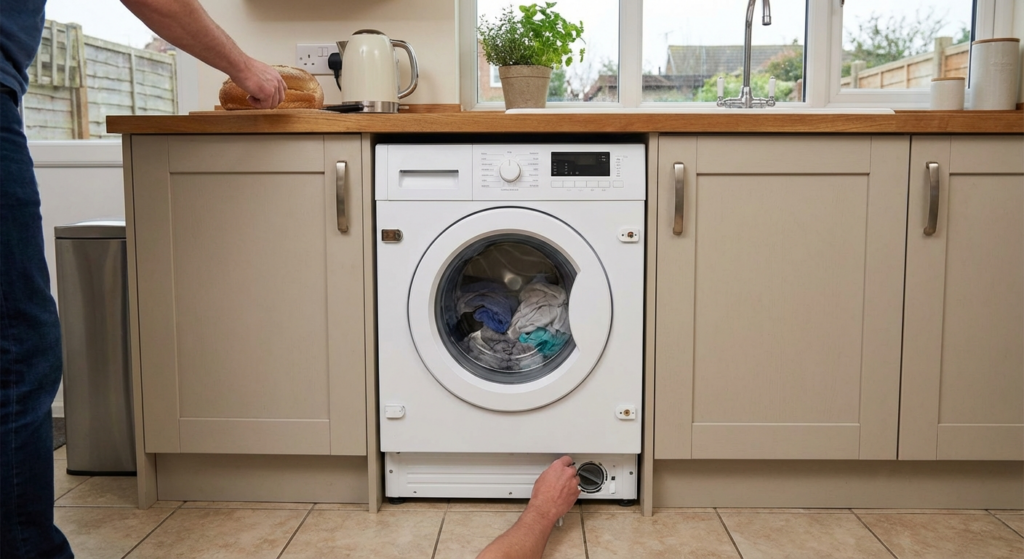
To properly clean a washing machine, add a cup of white vinegar to the drum and run a hot, empty cycle. Next, wipe down the rubber door seals to remove hidden mould and debris. Finally, remove and wash the detergent drawer in warm, soapy water to prevent stubborn blockages.
Spring is the perfect time to give your home a thorough deep clean. While you are busy dusting shelves and scrubbing floors, it is easy to forget about the appliances that do the cleaning for you. Your washing machine works incredibly hard all year round.
Ignoring your washing machine can lead to a build-up of grime, limescale, and bad odours. This does not just leave your clothes smelling musty. It can actually cause mechanical issues that eventually require professional appliance repair.
A little bit of seasonal maintenance can keep your machine running smoothly for years. Here is exactly how to get your washing machine sparkling clean and working at its absolute best.
Signs Your Washing Machine Needs a Deep Clean
You might assume that an appliance filled with soap and water cleans itself. Unfortunately, that is simply not how washing machines work. Leftover detergent and fabric softener create a sticky residue that traps everyday dirt.
This residue is the perfect breeding ground for bacteria. If you notice any of the following warning signs, it is definitely time for a serious spring clean.
Unpleasant Musty Odours
A healthy washing machine should smell like absolutely nothing at all. If you open the drum and are greeted by a damp, swampy smell, you have a bacteria problem. This bad odour easily transfers onto your freshly washed clothes.
Visible Mould on the Door Seal
Take a close look at the thick rubber seal around the door of your machine. Water often pools in the folds of this seal after a wash cycle finishes. Over time, this trapped moisture leads to stubborn black mould spots.
Black Flakes on Your Laundry
Have you ever pulled a clean white shirt out of the wash only to find mysterious dark streaks on it? Those black flakes are actually a build-up of old fabric softener and dirt breaking away from the drum. It is a clear warning that the inside of your machine is filthy.
Step-by-Step Washing Machine Spring Clean
Cleaning your washing machine is much easier than you might think. You do not need expensive, harsh chemicals to get the job done properly. Everyday household items like white vinegar and baking soda work wonders.
Set aside an hour this weekend to give your appliance some much-needed attention. Follow these simple steps to restore your washing machine to its former glory.
1. Scrub the Detergent Drawer
The detergent drawer is often the grimiest part of the entire appliance. Pull the drawer out completely by pressing down on the release catch inside. Take it over to your kitchen sink and let it soak in warm, soapy water.
Use an old toothbrush to gently scrub away any hardened washing powder and black mould. Before you slide the drawer back in, wipe down the empty cavity inside the machine.
2. Wipe Down the Rubber Seal
The rubber door seal is notorious for hiding stray hair, coins, and general slime. Gently pull back the folds of the seal and wipe the inside with a damp microfibre cloth. For stubborn mould, use a mild solution of white vinegar and water.
Be careful not to pull too hard on the rubber. A torn door seal is a very common reason people need to book a professional washing machine repair.
3. Run a Hot Maintenance Wash
Now it is time to tackle the internal drum and hidden pipework. Pour a cup of white vinegar directly into the empty drum. You can also add half a cup of baking soda to the detergent drawer for extra cleaning power.
Set your washing machine to the hottest cycle available, which is usually a 90-degree cotton wash. Let the machine run its full programme while completely empty. This hot wash easily dissolves limescale and flushes out hidden bacteria.
4. Clear the Drainage Filter
Your washing machine filter catches all the lint, tissues, and lost hair grips that escape your pockets. You can usually find the filter behind a small flap at the bottom front of the appliance. Put a towel or shallow dish on the floor before you open it, as trapped water will spill out.
Unscrew the filter, remove any trapped debris, and give it a quick rinse under the tap. A blocked filter forces your washing machine to work harder and can eventually stop it from draining altogether.
Daily Habits to Prevent Costly Appliance Repairs
A big spring clean is fantastic, but regular maintenance is the true secret to appliance longevity. Making a few small changes to your laundry routine will save you money in the long run. It also stops those bad smells from ever returning.
Always leave the washing machine door slightly open after a cycle finishes. This allows fresh air to circulate and dries out the drum, entirely preventing mould growth. You should also leave the detergent drawer cracked open to dry.
Stop using so much detergent and fabric softener in your washes. Most of us use far more than the manufacturer recommends, which leads to massive residue build-up. Consider switching to a high-quality powder, as liquid softeners are the main culprits for sticky drum slime.
When to Call an Appliance Repair Expert
Sometimes a good clean is simply not enough to fix a poorly performing washing machine. If your machine is making a loud grinding noise or completely refusing to drain, you have a mechanical fault. These complex issues require the attention of a trained professional.
Never ignore strange noises or error codes flashing on your digital display. Catching a fault early often means a much cheaper, faster repair.
At Anderson James, our experienced engineers cover all of Wiltshire. We carry common spare parts in our vans to get your washing machine running again on the very first visit. If you need reliable domestic appliance repairs, we are always here to help.
Wrapping Up Your Spring Clean
Adding your washing machine to your spring cleaning checklist is a very smart move. It keeps your clothes smelling fresh and protects your appliance from unnecessary wear and tear.
Take care of your washing machine, and it will effortlessly take care of your laundry for years to come.